Transforming Value into Desirability: My Exclusive interview with César Val under the Marbella Sun

By Smadar Kahana
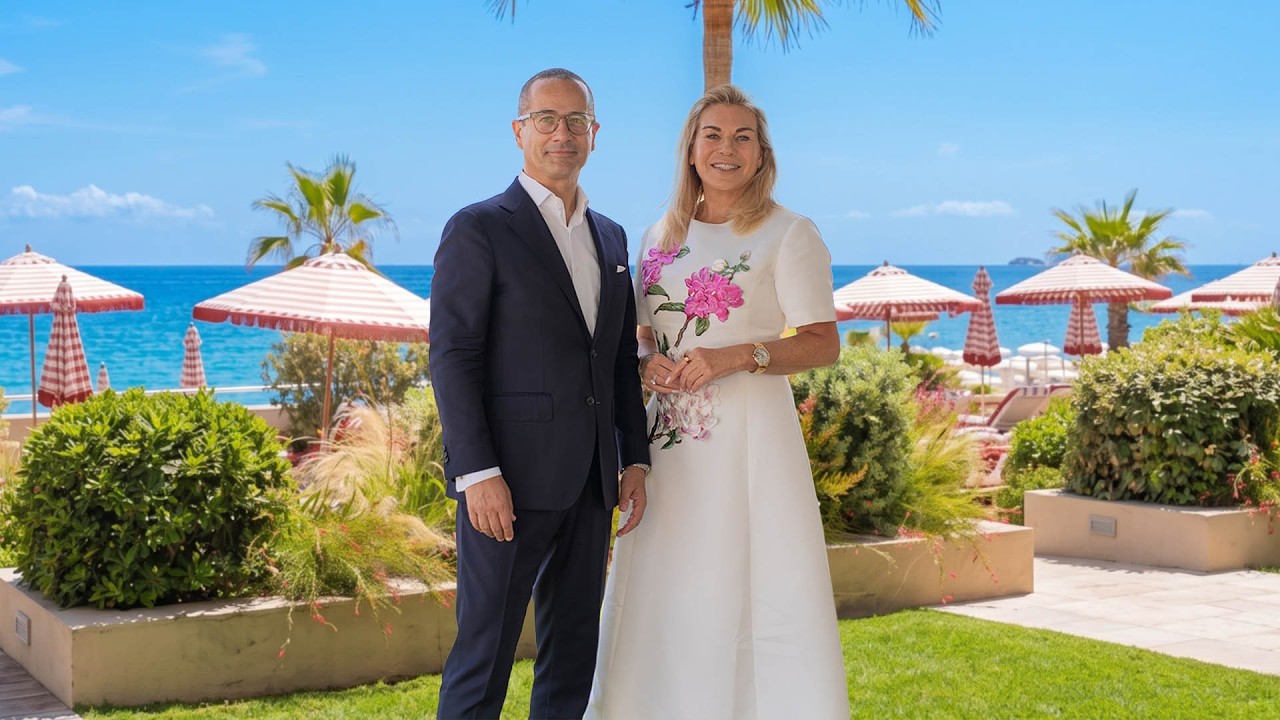
While setting up the cameras under the beautiful Marbella sun to film with global luxury authority César Val, a quote from my former boss flashed through my mind: “The only one who is not making a mistake is the one who doesn’t do anything.”
It’s a philosophy I carry with me every day at Engel & Völkers Marbella. In our industry, if you aren’t constantly evolving, testing new boundaries, and deeply listening to the market, you get left behind.
I invited César to Marbella because I wanted to bridge two worlds: his global expertise in luxury brand strategy and our 45 years of navigating the peak of the luxury real estate market. For years, I have told my team that we do not sell square meters, we sell the dream of a lifestyle. But sitting down with César helped me contextualize why that emotional connection is the ultimate deciding factor for the world’s most affluent buyers.
As we leaned into the conversation, it became clear that mapping out where ultra-luxury is heading requires tearing down traditional real estate playbooks and looking at a property through a more psychological lens.
The 20/80 Rule: Turning Houses into Identity
I started our chat by asking César how real estate brands can successfully replicate the emotional magic found in high-end fashion or heritage brands. His answer perfectly crystallized something I’ve felt intuitively for years, breaking down the client conversation into a brilliant structural pyramid.
César Val: “I try to make it simple, Smadar. I think at the base of the conversation is the house, then you have the home, then you have identity. How much time your team dedicates to each level is the key to delivering the dream versus just delivering functions. The house, square meters, location, architecture, should take up no more than 20% of your time with a customer. The next 40% is the home: comfort, security, privacy. But the final 40%? That’s the top of the pyramid: Identity. Who do I become by living in this beautiful house? Am I recognized by the community here? If you sell a dream, you need to talk about the dream.”

This hit home for me. When I work with our agents on how to guide a client through a property tour, I always tell them: it’s never just about showing a layout. I train them to look deeper, to observe how a client breathes in a space, and to help that client truly visualize what it will feel like to wake up to a Marbella sunrise. As professionals, if my team spends 80% of their energy on the functional aspects, we fail the client. The real magic happens when our agents successfully connect the property to the client’s true sense of self.
The Shift to “Quiet Luxury” and the Death of the Logo
But this emotional alignment isn’t a one-size-fits-all formula. In a global melting pot like Marbella, a buyer’s “sense of self” shifts dramatically depending on their background. Over the last few years, I have noticed a stark contrast in what our ultra-high-net-worth (UHNW) clients look for compared to regular premium buyers. To me, massive logos and flashy displays have been passé for a long time. I wanted to know if César was seeing this same shift on a global scale.
César Val: “Absolutely. Visibility is not what it used to be. True high-net-worth individuals want recognition, but they want it among the right people. All of these flashy things, this logomania, it’s part of the past. Today, it’s about the dematerialization of luxury. ‘Knowing is the new ownership.’ It’s about how a space makes you feel, beyond the sheer ownership of it. It’s about tribalization: by buying this property, what kind of community am I connecting with?”
But here in Marbella, the tide has firmly turned toward what I call the “Loro Piana” or “Bottega Veneta” of housing. Our buyers want the quality of the materials, the texture of the stone, and the architectural discretion to speak for itself. They don’t need a sign on the gate telling the world how much they spent.

The Psychology of Choice: Trust Over Fear
Yet, an appreciation for raw materials and subtle architecture only gets a buyer halfway across the finish line. Beneath the surface of aesthetic alignment lies a much deeper, more volatile psychological trigger. I pressed César on the ultimate mechanism of the deal, what is the actual catalyst that moves a multi-million euro transaction from a tentative “maybe” to a definitive “yes”? His response shed light on a hidden truth in our industry.
César Val: “First is trust. Most of the value of any luxury item is built on trust. If I buy a Birkin bag, it’s because I trust Hermès to protect the dream, the artisan knowledge, and the scarcity. It’s the same in real estate. But what is very important to understand is that the reason for a client NOT buying is rarely a lack of desirability. It is fear. The fear of making a mistake. A brand like yours, with a global presence and a 45-year history, kills that fear. Once you kill the fear, then you can build desirability and talk about the dream.”
Hearing him put it into words resonated with me deeply. When an UHNW client trusts us with their wealth and their family’s future lifestyle, they aren’t just looking for an advisor, they are looking for a guardian. Our reputation isn’t just a marketing tool; it is a shield against their fear of making a wrong turn.
Marbella as Europe’s Hub for Branded Residences
This imperative for unshakeable trust and lifestyle curation explains why the world’s most iconic heritage brands are no longer content staying on the fashion runways. They are moving directly into our industry. We couldn’t have this conversation without addressing the massive influx of fashion houses, like Fendi, Armani, and Dolce & Gabbana, entering the real estate world. Marbella has rapidly become the European epicenter for these Branded Residences, and I asked César what he thought was driving this paradigm shift.

César Val: “Brands are trying to build entire worlds. There is no better way to invite someone into your world than through real estate, showing people how Armani or Fendi would live. But my point here, Smadar, is that they have to be authentic. Some of these houses just put a few branded cushions in the entrance and call it a day. That is just ‘logo-washing.’ The new generation is deeply focused on wellness, longevity, and digital integration. They will not embrace a property just because a name is written on the wall.”
I completely agree, while it’s true that buyers initially lean in because they trust the aesthetic excellence of a brand like Mercedes or Armani, the novelty of a logo wears off the moment you turn the key. As real estate experts guiding these collaborations, we have to hold developers to a much higher standard. It cannot just be an interior design exercise; it must be a holistic lifestyle integration that elevates health, privacy, and genuine well-being.
My Final Reflection: From Realtors to Curators of Meaning
Following our one-on-one session, the conversation moved into an exclusive masterclass with our agents, diving deep into what executing luxury actually means for our team in this new era. César shared a lesson from the art world that perfectly mirrors our mission: the object itself never changes, but the value frame does.
For our agents, the takeaway was clear, the value in our properties already exists in the architecture and the scarcity. Our job is not to just show a house, but to act as Curators who transform that raw value into deep desirability and meaning.
We are moving away from traditional, product-centric pitches because today’s top-tier clients reject the noisy, flashy, and crowded. Instead, they crave human-to-human connection, impeccable details, and what is known as “unreasonable hospitality”. César reminded us that clients aren’t meant to be managed; they are meant to be led by an expert. When we guide them, we aren’t selling square meters, we are helping them buy a version of themselves. We are no longer just realtors; we are the architects of value.
Thank you, César Val, for an unforgettable day. Marbella’s sun was bright, but the future we are curating for our team and our clients is brighter still.

Managing Director